



Choosing the right cooking oil can support better cholesterol levels and protect your heart, but the wrong choice may quietly increase health risks.
Did you know? Many people use the same cooking oil every day without realising that different oils affect the heart in different ways.
When it comes to daily meals, the oil you choose plays a bigger role than most people think. From frying to sautéing, oil becomes a regular part of your diet. This is why selecting the right oil for heart health becomes important for maintaining balance in your body over time.
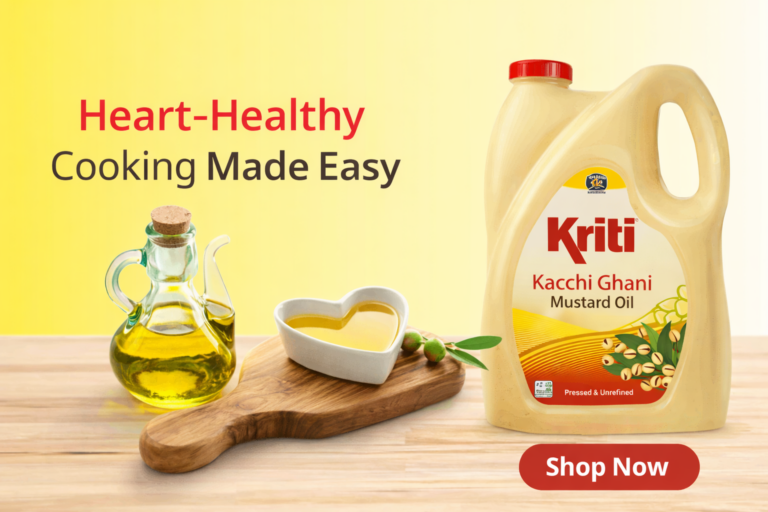
Kriti kacchi Ghani Mustard Oil is known for offering traditional, cold-pressed options that fit well into Indian cooking habits while supporting better nutrition.
Key Takeaways
- Cooking oil plays a direct role in heart health and long-term wellness
- Choosing oils rich in healthy fats helps maintain a better cholesterol balance
- Different oils suit different cooking methods, so variety is helpful
- Small changes in cooking habits can reduce health risks over time
- Understanding your oil choices helps you cook smarter and live healthier
How Cooking Oils Affect Heart Health
Cooking oils are made up of different types of fats, and these fats directly affect your heart.
- Unsaturated fats help reduce bad cholesterol (LDL) and support heart function
- Saturated fats can raise cholesterol levels if consumed in excess
- Trans fats are harmful and increase the risk of heart disease
When you regularly use oils rich in healthy fats, your body can maintain better cholesterol balance. On the other hand, repeated use of poor-quality or overheated oil can lead to inflammation and long-term health concerns. The key idea is simple. What you cook with eventually becomes part of your body.
What Makes a Cooking Oil Heart Healthy?
Every cooking oil affects your health differently, especially when used daily. The oil you choose can affect your cholesterol levels and overall heart health over time. A heart-friendly oil provides the right balance of fats and remains stable during cooking.
When selecting an oil for your kitchen, focus on options that:
- Are rich in monounsaturated and polyunsaturated fats that support heart function
- Contain natural nutrients such as Vitamin E
- Have a suitable smoke point based on your cooking methods
- Are minimally processed or cold-pressed to retain their natural properties
Choosing oils with these qualities helps you cook more safely while supporting better long-term health.
Best Oils for Heart Health
Choosing the best oil for heart health depends on how you cook and what suits your daily meals. Here are some commonly recommended options:
- Olive oil
Known for its healthy fats and benefits for cholesterol
- Mustard oil
A popular choice in Indian kitchens with a strong flavour and balanced fat profile
- Avocado oil
Suitable for high-heat cooking due to its high smoke point
- Sunflower oil (high oleic)
Contains good fats when used in moderation
- Canola oil
Light and versatile for different cooking methods
Using a mix of oils rather than sticking to one type can help maintain balance in your diet.
Oils You Should Limit for Better Heart Health
Some oils are better used sparingly rather than as part of your daily cooking routine.
- Palm oil is due to its higher saturated fat content
- Hydrogenated oils that may contain trans fats
- Reused cooking oil, which breaks down and forms harmful compounds
- Excess coconut oil, if used frequently in large amounts
Moderation is key when it comes to these options.
How to Use Heart-Healthy Oils in Daily Cooking
Knowing which oil to use is only part of maintaining a healthy diet. The way oil is used during cooking also plays an important role in supporting heart health. Simple changes in daily habits can help preserve the nutritional value of oils and reduce health risks.
Daily Cooking Tips
- Use different oils based on the type of dish you are preparing
- Avoid overheating oil, as high temperatures can break down its nutrients
- Do not reuse oil multiple times after frying
- Measure oil before adding it to control overall intake
- Choose cold-pressed oils that retain their natural properties
Using traditional options like Kriti kacchi Ghani Mustard Oil is a good choice for everyday cooking, as it keeps its natural qualities and works well in Indian meals.

5 Simple Habits to Follow
- Change your cooking oil every few weeks to keep a good balance of fats
- Store oil in a cool, dark place to preserve its quality
- Limit deep frying and opt for lighter cooking methods
- Use smaller quantities of oil in daily meals
- Avoid using very high heat so the oil stays healthy
Following these habits consistently can support better heart health and improve the overall quality of your meals.
Which Cooking Oil Is Healthiest for Different Methods?
The healthiest cooking oil often depends on how you prepare your food. Different cooking methods require oils that can handle specific temperatures while still keeping their nutritional value intact.
Choosing the right oil for each method helps you cook safely and get the most out of its benefits.
| Cooking Method | Recommended Oils | Why It Works |
| Frying | Avocado oil, groundnut oil | Safe to use on high temperatures |
| Deep frying | Sunflower oil, refined mustard oil | Stays stable at very high temperatures |
| Sautéing | Mustard oil, olive oil | Good for medium heat and adds nice flavour |
| Salad dressings | Olive oil, Sunflower oil | Used without cooking, so nutrients stay safe |
Using the right oil for the right cooking style helps preserve its quality and supports better health over time.
Heart Healthy Cooking in Indian Kitchens
Indian cooking often involves frying, tempering, and slow cooking. This makes oil selection even more important.
Using heart-healthy oils for cooking in Indian meals can be simple:
- Prefer mustard or groundnut oil for daily cooking
- Limit the excessive use of ghee and butter
- Avoid reheating leftover oil
- Balance traditional and modern oils
Options like Kriti kacchi Ghani Mustard Oil are widely used because they suit traditional recipes while offering a natural preparation method.
Common Mistakes That Can Harm Your Heart
Even healthy oils can become harmful if used incorrectly.
- Using too much oil in daily meals
- Heating oil beyond its smoke point
- Reusing oil after frying
- Choosing oils based only on price
- Ignoring labels and processing methods
Being aware of these habits helps you make better choices in the kitchen.
Quick Comparison of Popular Cooking Oils
| Oil Type | Best Use | Heart Health Rating |
| Olive oil | Salads, light cooking | High |
| Mustard oil | Indian cooking | High |
| Avocado oil | High heat cooking | High |
| Sunflower oil | Frying | Moderate |
This simple comparison helps you pick the best oil for everyday cooking.
Make Every Meal Heart-Friendly with the Right Cooking Oils
Choosing the right oil for heart health is one of the simplest ways to support your heart and maintain balanced cholesterol levels. Small changes in your daily cooking, like using oils rich in healthy fats, avoiding overheating, and using a variety of oils, can have a big impact over time.
For everyday cooking, traditional options like Kriti kacchi Ghani Mustard Oil provide a natural, cold-pressed choice that works perfectly for Indian recipes while helping preserve essential nutrients. By picking the right oil and using it wisely, you can enjoy flavorful meals while taking care of your heart.
Make the switch to heart-healthy oils in your kitchen and experience better nutrition, flavour, and wellness with Kriti Kacchi Ghani Mustard Oil in your everyday cooking — shop now for a healthier lifestyle.
FAQs
Is mustard oil good for heart health?
Yes, mustard oil contains a balanced fat profile and is widely used in Indian cooking for this reason.
Can I mix different cooking oils?
Yes, rotating or combining oils can help maintain a balanced intake of different nutrients.
How much oil should I use daily?
It is recommended to use oil in limited quantities, usually a few teaspoons per day, depending on diet needs.
Does reheating oil make it unhealthy?
Yes, reheating oil multiple times can produce harmful compounds and should be avoided.